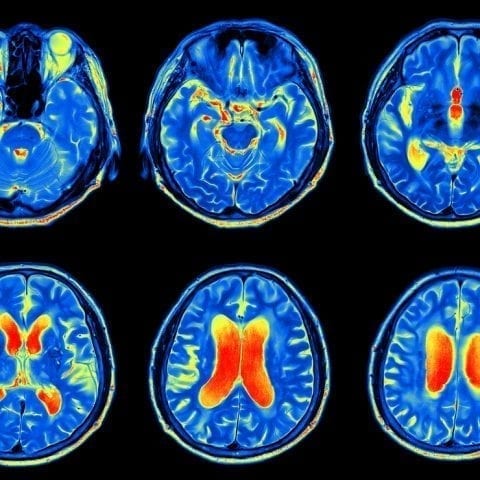
Brain scans may one day be used to predict dementia
Brain scans may one day be used to predict dementia. Using brain scans, researchers were able to monitor mental decline over a two-year period in […]
Continue reading »
Brain scans may one day be used to predict dementia. Using brain scans, researchers were able to monitor mental decline over a two-year period in […]
Continue reading »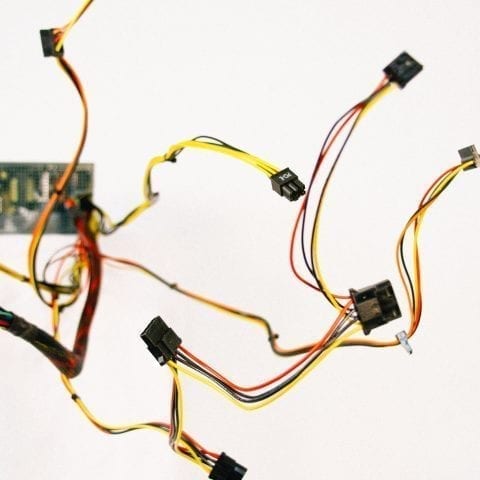
Scans reveal intricate brain wiring. Scientists are set to release the first batch of data from a project designed to create the first map of […]
Continue reading »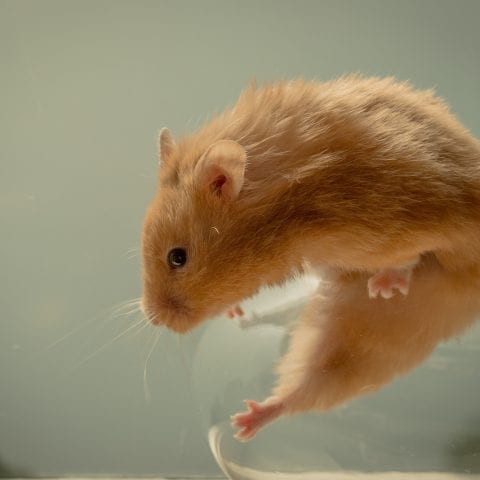
Brain implants give lab rats a sixth sense and let them “touch” light Scientists from Duke University have found a way to make rats “feel” […]
Continue reading »
Mindfulness meditation: how it works in the brain. Mindfulness may be successful in helping with a range of conditions, from depression to pain, by working […]
Continue reading »
Sleep and memory in the aging brain. New findings reveal a connection between sleep and memory, and shed light on why forgetfulness is common in […]
Continue reading »
Mysterious brain clumps behind dementia identified. Certain forms of dementia may be caused by a gene mutation that makes proteins in the brain clump together, […]
Continue reading »
Chemical reaction keeps stroke-damaged brain from repairing itself. Nitric oxide, a gaseous molecule produced in the brain, can damage neurons. When the brain produces too […]
Continue reading »
Tool sprays brain to find tumors quickly. A new tool that sprays a stream of charged solvent onto tissue may one day help brain surgeons […]
Continue reading »
Magnetic brain activity may reveal schizophrenia. Magnetic fields produced by the brain’s natural electrical currents may be used in the future as an objective test […]
Continue reading »
Shortage of brain tissue sets autism research back. Research on autism is being hobbled by a shortage of brain tissue. The brain tissue comes from […]
Continue reading »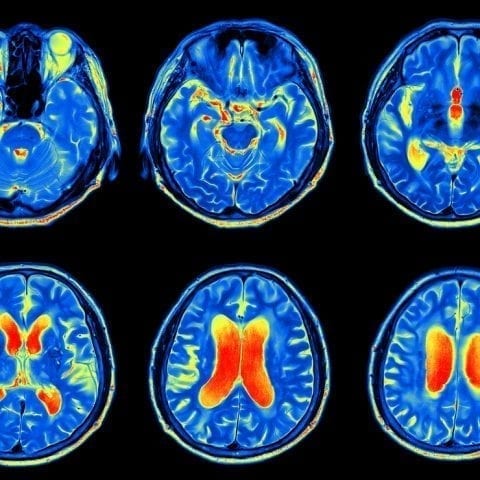
Medicare panel says Alzheimer’s brain scans may not help. Advanced brain scans to detect signs of Alzheimer’s disease may be denied coverage by Medicare after […]
Continue reading »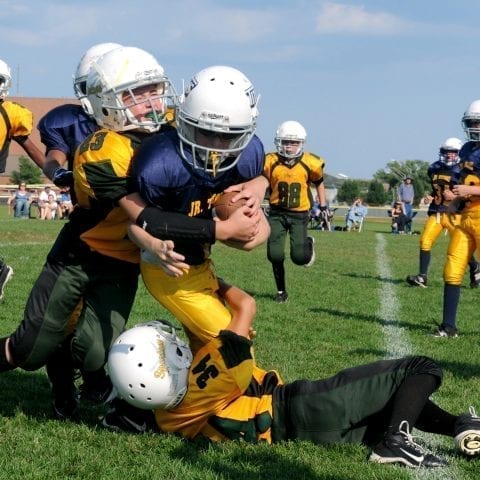
Obama concerned about brain injuries in football. President Obama has weighed in on the subject of brain injuries in football, saying that as a parent, […]
Continue reading »
How brain cells lift mood in the sleepless. Neuroscientists have discovered an interesting biological link between depression and sleep. Researchers from Tufts University determined star-shaped […]
Continue reading »
Mediterranean diet may not protect the aging brain. Despite hopes that a Mediterranean-style diet would be as good for the head as it is for […]
Continue reading »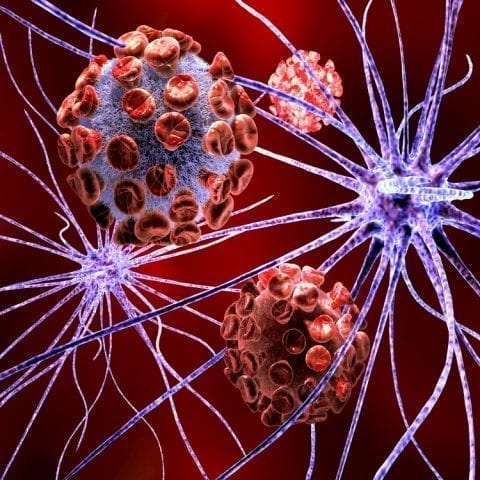
First brain pacemaker implanted to treat Alzheimer’s. During a five-hour surgery last October at The Ohio State University Wexner Medical Center, a patient became the […]
Continue reading »
From genes to brain: Schizophrenia untangled. An early defect in a critical neurological pathway may be responsible for the onset of schizophrenia later in life. […]
Continue reading »
Oxygen chamber can boost brain repair years after stroke or trauma. Stroke, traumatic injury, and metabolic disorder are major causes of brain damage and permanent […]
Continue reading »
Scan may detect signs of NFL players’ brain disease. An insidious, microscopic protein that has been found in the brain tissue of professional football players […]
Continue reading »
Hearing loss accelerates brain function decline in older adults. Older adults with hearing loss are more likely to develop problems thinking and remembering than older […]
Continue reading »
How the brain copes with multitasking alters with age. The pattern of blood flow in the prefrontal cortex in the brains alters with age during […]
Continue reading »
Telepresence robot helps program brain and spine stimulators remotely. With the rapidly expanding use of brain and spinal cord stimulation therapy (neuromodulation), “remote presence” (telepresence) […]
Continue reading »
Scans show what makes a brain “borderline”. Brain regions that process anger and sadness are overactive in people with borderline personality disorder, a new study […]
Continue reading »
Is athleticism linked to brain size? exercise-loving mice have larger midbrains. Is athleticism linked to brain size? To find out, researchers at the University of […]
Continue reading »